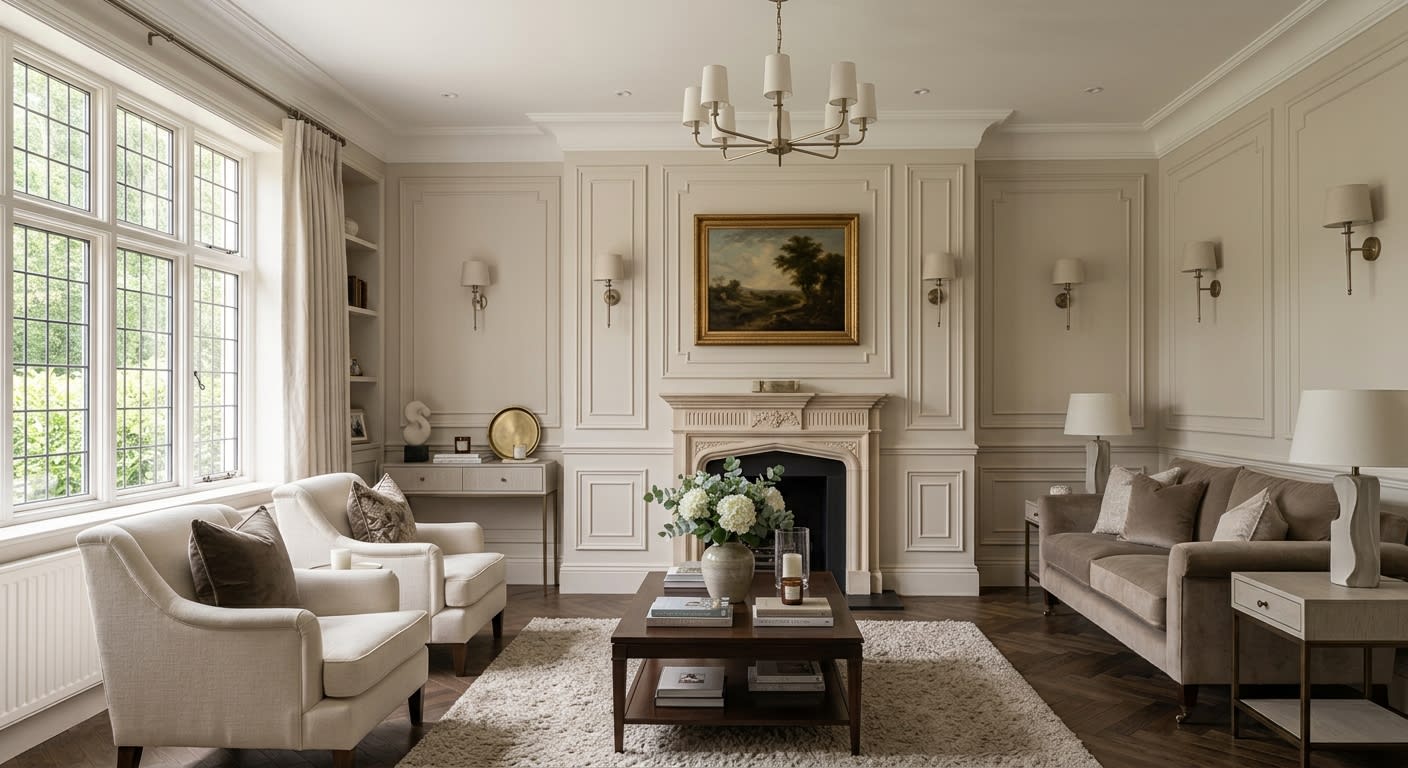
Wall design is not always about choosing bold colors or expensive decorations. Sometimes, small architectural details make the biggest difference in how a room looks and feels. Wall panel trim introduces structure, depth, and visual interest, helping plain surfaces appear more refined. The right combination of spacing and profile size can make a room feel balanced and elegant, while poorly planned proportions may leave the walls looking crowded or unfinished.
Choosing suitable panel molding involves more than selecting an attractive design. The distance between frames, the width of each profile, and the dimensions of the wall all influence the final appearance. Understanding these details makes it easier to create a design that complements the room's architecture and interior style.
Why Spacing Matters in Wall Panel Design
Spacing determines how the individual panels relate to one another. When frames are arranged with consistent gaps, the wall develops a sense of rhythm and order. This is especially important in living rooms, dining areas, and hallways, where decorative details can influence the overall atmosphere.
Wide spacing often creates a clean, open appearance. It works particularly well in contemporary interiors, where simplicity and uncluttered surfaces are important. Larger gaps between panels allow each frame to stand out without making the wall feel too busy.
Closer spacing produces a more detailed and traditional effect. This arrangement may suit classic interiors with decorative furniture, elegant curtains, and other architectural features. However, placing too many panels on a limited wall area can make the design appear crowded.
A practical approach is to measure the wall carefully and plan the panel positions before installation. Keeping the distance between frames consistent creates a more professional finish, even when using simple molding profiles.
Choosing the Right Profile Size
Profile size refers to the width and depth of the trim used to create each frame. Although these details may seem minor, they strongly influence how noticeable the finished design will be.
Wider profiles generally create a stronger decorative effect. They can complement spacious rooms with high ceilings, large windows, and substantial furniture. In traditional interiors, broader trim may help establish a sense of grandeur and architectural character.
Narrow profiles usually provide a lighter, more understated appearance. They are often suitable for smaller rooms, minimalist interiors, and spaces where subtle details are preferred over elaborate decoration.
Depth also matters. Profiles that project farther from the wall create more pronounced shadows, adding dimension as lighting changes throughout the day. Shallower profiles provide a softer effect that can be easier to integrate into modern spaces.
The goal is to select a profile that suits the scale of the room rather than choosing the most elaborate option available.
Balancing Spacing and Profile Width
Spacing and profile size should always be considered together. A wide molding profile paired with very narrow gaps may make a wall feel heavy. Similarly, thin trim placed too far apart can appear disconnected, especially on a small wall.
For a balanced result, consider the wall's total width and the number of panels you want to create. Sketching the layout or marking the proposed frames with painter's tape can help you evaluate the proportions before making permanent changes.
Furniture placement should also influence the design. In a bedroom, the frames behind the headboard should relate to its width and height. In a living room, panel arrangements can be aligned with a sofa or other central feature to create visual harmony.
Matching Trim to Different Interior Styles
Classic interiors often benefit from symmetrical layouts, decorative profiles, and carefully repeated panel arrangements. Neoclassical rooms usually look best with balanced proportions and restrained ornamentation. Modern spaces can achieve an elegant result with narrow profiles, generous spacing, and simple rectangular shapes.
Color can further influence the appearance. Matching the trim to the wall creates subtle texture, while contrasting colors make each frame more prominent. Both options work well when the proportions are appropriate.
Final Thoughts
Wall panel trim can transform ordinary walls into attractive architectural features. Consistent spacing creates order, while carefully selected profile sizes determine the strength and character of the design. By considering wall dimensions, furniture placement, lighting, and interior style, homeowners can create panel layouts that feel balanced, sophisticated, and timeless.
#ClassicInteriors #InteriorTrim #WallDesign



Leave a comment